DMeStHyA
Development of a digital measurement and control system
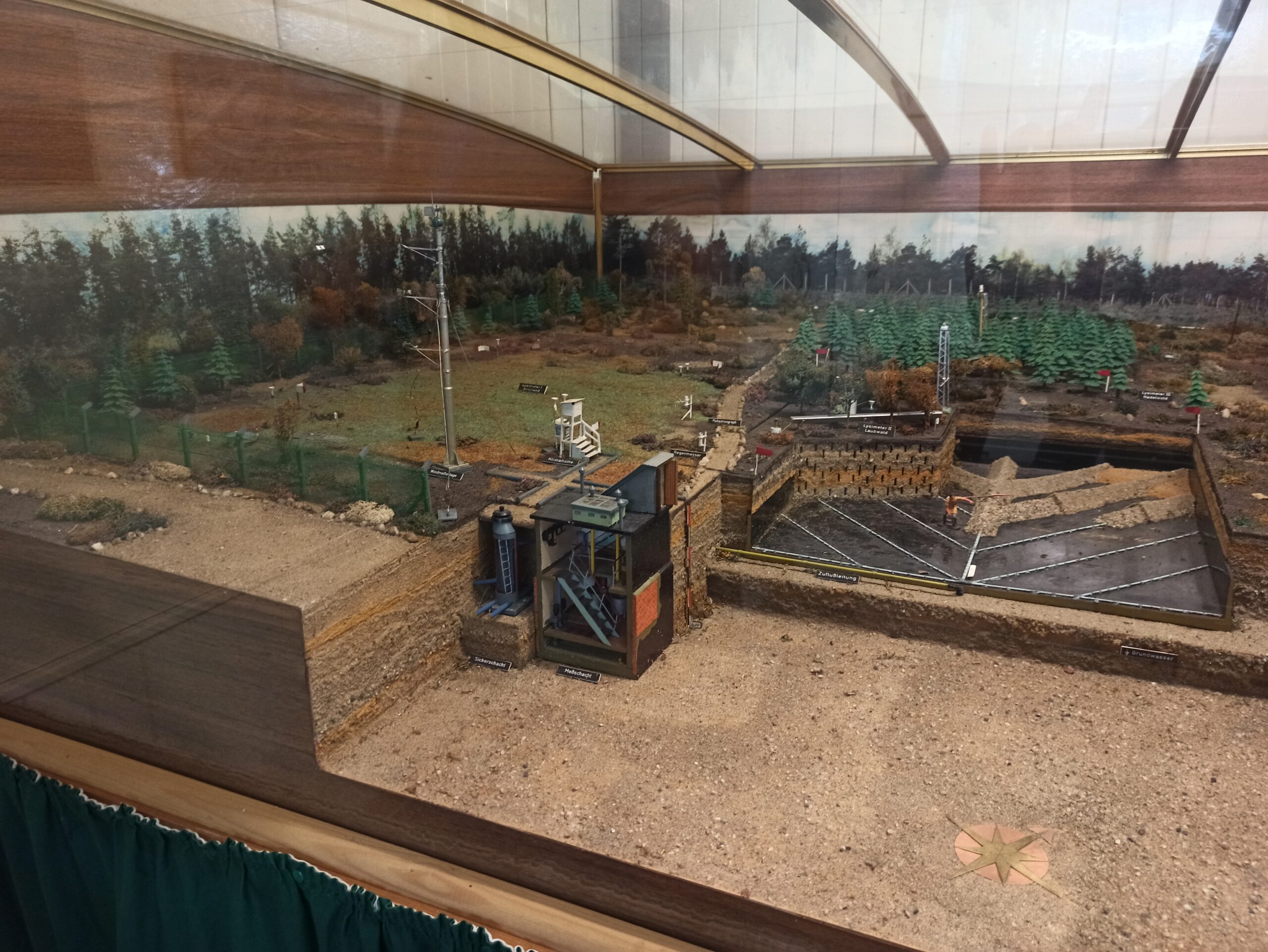
© LANUK
Background
The management of agricultural land requires an assessment of the impact of agriculture on the water cycle, particularly against the backdrop of increasing restrictions on the application of nitrogen-containing substances (liquid manure, biogas digestate and sewage sludge). The data currently available does not allow for the dynamic utilisation of agricultural land. The monitoring network of the State Office for Nature, Environment and Consumer Protection of North Rhine-Westphalia (LANUV NRW), comprising 300 hydrometeorological monitoring stations, serves not only the flood information service. It also has the potential to collect baseline data that enables the quantification and assessment of nitrate input from agriculture into groundwater, thereby facilitating sustainable nitrate management. The data collected is to be transferred to a cloud-based decision-making management system and made available to users there.
Objectives
One of DMeStHyA’s objectives is to standardise the design and operation of hydrometeorological monitoring stations. On the other hand, the data collected is to be transferred to a cloud-based decision-making management system via an interface, in order to optimise digital data collection and its provision. This requires the development of a concept for the design and equipment of the measuring stations as well as the entire monitoring network.
Contents
The first step involves equipping the monitoring network with new hydrometeorological sensors and upgrading the St. Arnold lysimeter facility to serve as a climate reference site. The modernisation of the monitoring network is intended to support the development and verification of AI models. The interface will then be adapted for cloud connectivity (SDI12 transmission) to retrieve measurement data directly from the sensor and establish true redundancy in data transmission (prototype development). The potential for upscaling to other monitoring networks will be assessed in a subsequent step, along with the possible integration of further monitoring networks. All work carried out will be transferred to a digital operating system for documentation purposes.
The Water Infrastructure and Digitalisation Research Group is responsible for the scientific supervision of the following topics within DMeStHyA:
Evaluation of the digitalisation standard from the pilot project
Economic assessment of the standard
Application analysis for upscaling the standard to other fields of application
Evaluation of the measurement network density of monitoring stations
Evaluation of data validation for reliable data transmission
Development of a standard method for implementing digitisation at LANUV
Analysis of organisational efficiency gains resulting from digitalisation
The research group’s remit also includes report writing and knowledge transfer from other R&D projects, organising quarterly status meetings (including minute-taking), and producing annual interim reports.
Further information here: https://fue-hydromet.de/dmesthya/
Project Partners
LANUV NRW; HST Systemtechnik GmbH
Addressed SDGs (Sustainable Development Goals)
Contact Persons
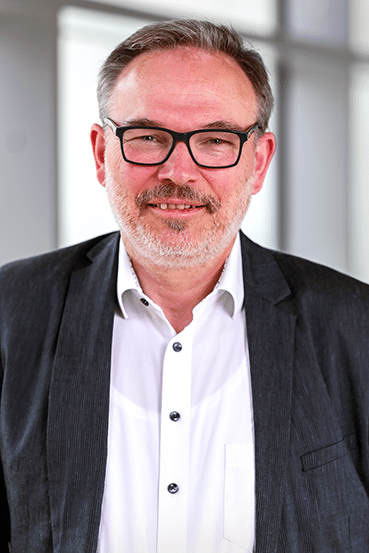
Prof. Günter Müller-Czygan
Head of Research Group


Dr. Viktoriya Tarasyuk
Research Associate
Harikrishnan Thanipparambu Narayanan Kutty
Research Associate
Projects
More Research Projects

Decision Support System for Sponge-like Corridors
Active
Feasibility study for the development of a decision support system for analyzing the impact of measures for runoff-slowing and water-retaining landscape design
To the Project
Reform of industrial wastewater treatment in Saudi Arabia through demonstration of a3op® technology
Active
To the Project
BIK3I
Active
Condition-based maintenance of small-scale sewage treatment plants using IoT and AI
To the Project

Wasser hoferLand.digital Transfer Workshop
Active
The Water Transfer Workshop connects applied research, digital innovation, and municipal action into a laboratory space
To the Project

ReKorD
Active
Realization of a supra-regional circular economy through fertilizer development
To the Project


DRhN-Booster
Completed
Digital Recruiting for Sustainability – AI-supported educational module
To the Project

TIMEA
Completed
Accelerating the transfer of innovations through web-based multi-level analysis
To the Project
Sponge Balcony
Completed
Sponge Balcony – concept development for innovative evaporation production
To the Project
digi-Sponge (Certificate Course)
Completed
Certificate course on digital methods in sponge city projects
To the Project
Rotary Arc 4.0
Completed
Dynamic sewer network management with obstacle-free control element
To the Project

IntelliFluQs
Completed
Intelligent flow and quality control for the fourth treatment stage
To the Project
ITTQ-Wasser
Completed
Engineering-technical transfer qualification for Bavarian water management
To the Project

pharmIn2
Completed
Efficient treatment of wastewater from the pharmaceutical industry in India
To the Project

InSchuKa4.0
Completed
Combined infrastructure and environmental protection through AI-based sewer network management
To the Project