The Institute
Services
The Institute for Sustainable Water Systems focuses on applied research and development in the key areas of sponge city, photonics, and food production.
Services
Much more than research.
We focus on applied research and offer a wide range of services.
Contract Research
Monitoring, data collection, scientific evaluation, technical concepts, acceptance analyses, and trainings in areas such as recruiting, sustainability, and digitalization.
Further Education
Trainings and certificate courses in sponge city, skilled worker recruitment, sustainability, and digitalization to support municipalities and businesses.
Innovation Consulting
Development and implementation of research ideas, including innovation consulting, funding acquisition, project management, and coordination.
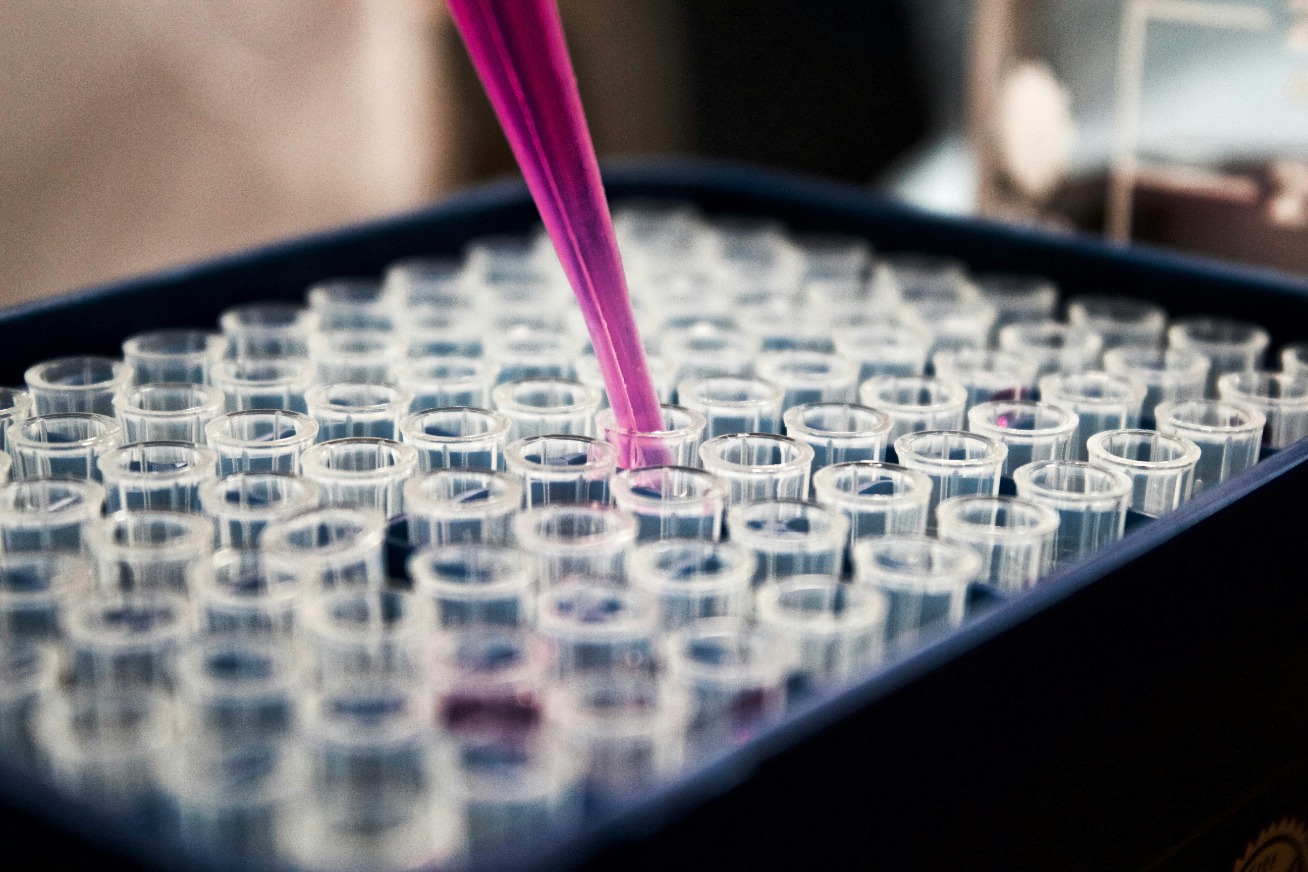
Water Analytics
Thanks to the technical equipment in our laboratories, a wide range of analytical services can be offered.
Research Lab Access
By providing our laboratory infrastructure and associated measuring equipment, a wide range of opportunities arise.
Sustainability Optimization
Project management, process analysis and optimization, as well as the implementation of sustainability factors.
Water Management Analysis & Guidance
Capture, define, and evaluate sponge city measures on various spatial scales.
Free Tools
Useful helpers and tools around the core topics of inwa.
Contract Research
On behalf of companies and municipalities, our tasks include measurement and monitoring, data collection and analysis, scientific evaluation, development of technical concepts and solutions, acceptance analyses and surveys, as well as knowledge and competency trainings in areas such as recruiting, sustainability, climate complexity, sponge city, and digitalization.
Further Education
The knowledge and competency trainings described below have emerged from completed research projects. They are planned to be offered through ktns in the future. More information can be found here.
Sponge City Certificate Course
The project "The Path to the Sponge City", funded by REACT-EU Action 19 of the ESF, developed a certificate course to support cities, municipalities, and companies in dealing with extreme weather events through adapted water management. The course offers comprehensive further training tailored to the Bavarian municipal structure, enabling a holistic view of challenges and solutions.
Further Education for Skilled Worker Recruitment and Retention
The goal of the training format is the practice-oriented development of skills for skilled worker recruitment and employee retention, as well as holistically sustainable business positioning.
Engineering-Technical Qualification for Bavarian Water Management
The ESF+-funded project ITTQ-Wasser aims to alleviate the skilled worker shortage in Bavarian water management by qualifying people with a technical background and a migration or refugee background for a career change. Participants receive professional training and social preparation to understand, apply, and adapt core areas and processes of water management.
Digitalization in Water Management
The research group "Water Infrastructure and Digitalization" developed the first digitalization certificate course in water management together with KOMMUNAL 4.0 e.V., offered as an online series. The course qualifies professionals for the challenges of a digitally networked water sector.
The courses are offered through the Competence and Transfer Center for Sustainable Sponge City and Region (ktns).
More about ktns →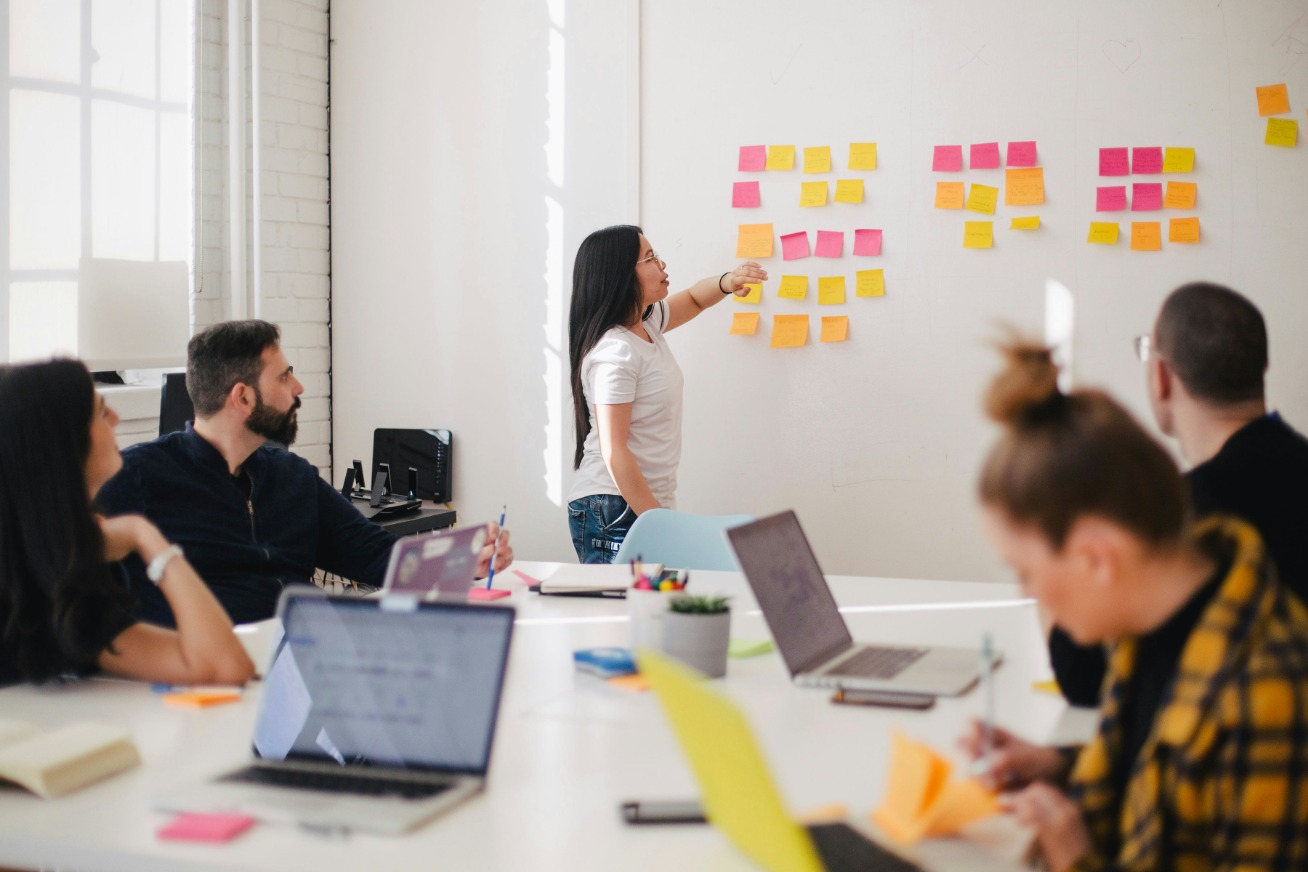
Innovation Consulting & Support
The inwa is a contact point for research institutes, municipalities, and companies that need support for their research ideas. It offers professional innovation consulting — from developing the idea, to finding suitable funding sources or project partners, to supporting the application process and coordination.
The inwa also takes on project management and coordination of research projects in its own research fields as an independent project partner.

Water Analytics
Water and Wastewater Analytics
- Photometric determination of aggregate and nutrient parameters using cuvette tests and UV/Vis spectrophotometry (e.g. COD, TOC, TN, ammonium, nitrate, nitrite, orthophosphate)
- Spectrophotometric analyses in the UV/Vis range including absorbance measurements and spectral scans
- Determination of physical water parameters using electrochemical sensors (pH, electrical conductivity, oxygen content, temperature)
- Analysis of chlorophyll and other pigments in aquatic systems
- Determination of solid parameters such as dry matter (DM), dry residue (DR), organic dry residue (oDR), and filterable solids (FS) at 63 µm and 0.45 µm
- Determination of total carbon (TC), inorganic carbon (TIC), organic carbon (TOC), and total nitrogen (TN) using elemental analysis
- Microscopic examination and quantification of microorganisms and activated sludge organisms using Sedgwick-Rafter counting chamber
- Investigation of biological and biochemical degradation processes in water and wastewater samples
Trace Substance and Pollutant Analytics
- High-performance liquid chromatography (HPLC-DAD/FID*) for identification and quantification of organic trace substances in water and wastewater samples
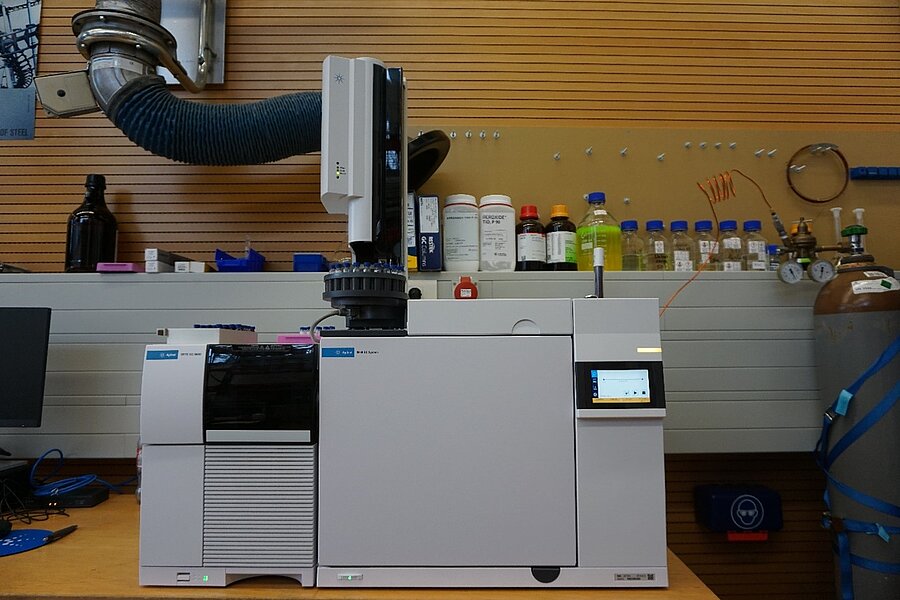
- Gas chromatography coupled with mass spectrometry (GC-MS) for analysis of organic pollutants and micro-contaminants in the ultra-trace range
- Quantification of pharmaceuticals, industrial chemicals, and other organic trace substances
- Investigation of transformation and degradation products in water treatment processes
Research Lab Provision
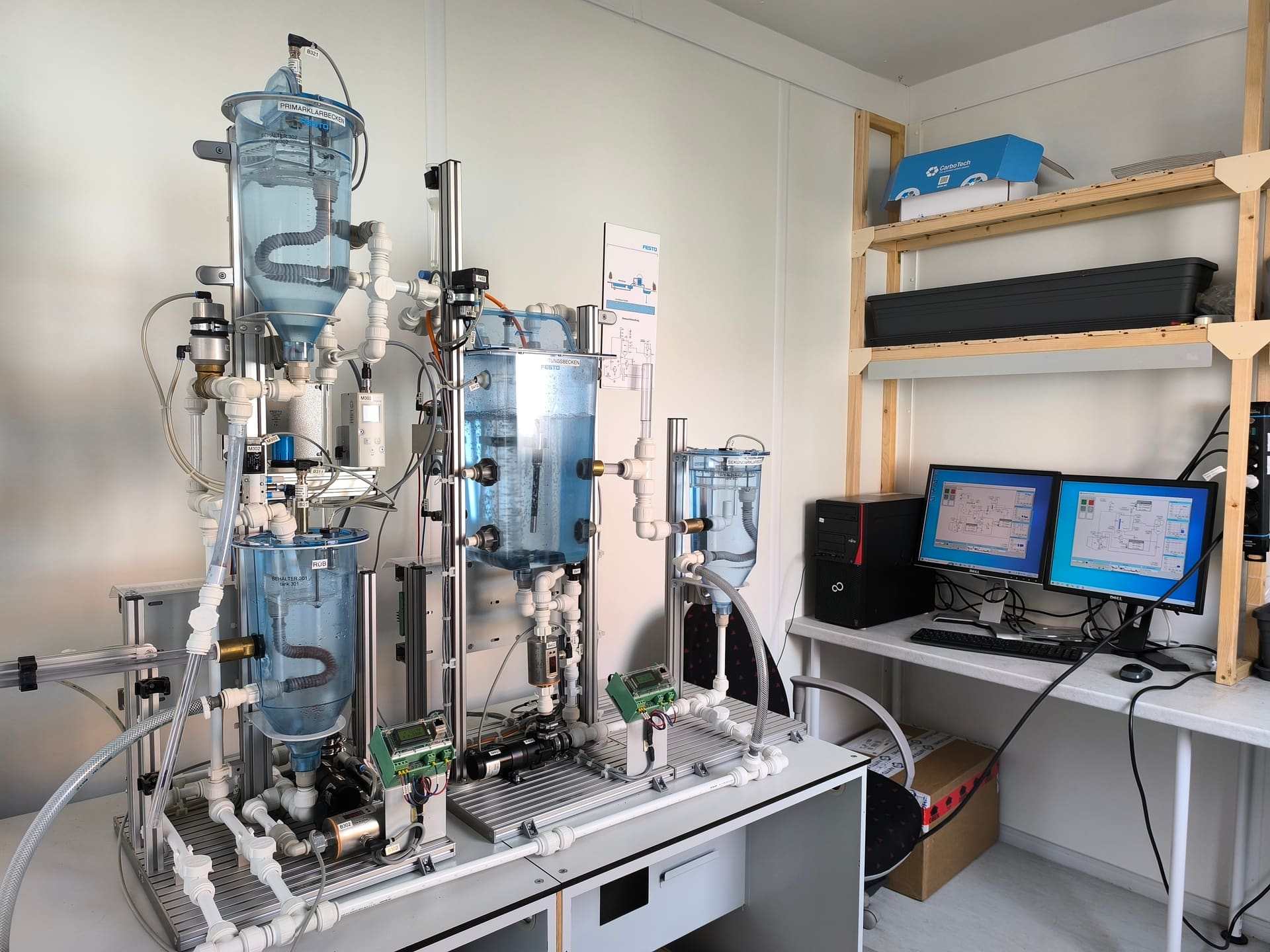
By providing our laboratory infrastructure and the associated measuring equipment, a wide range of opportunities arise.
SustainabilityOptimization
OktoPus
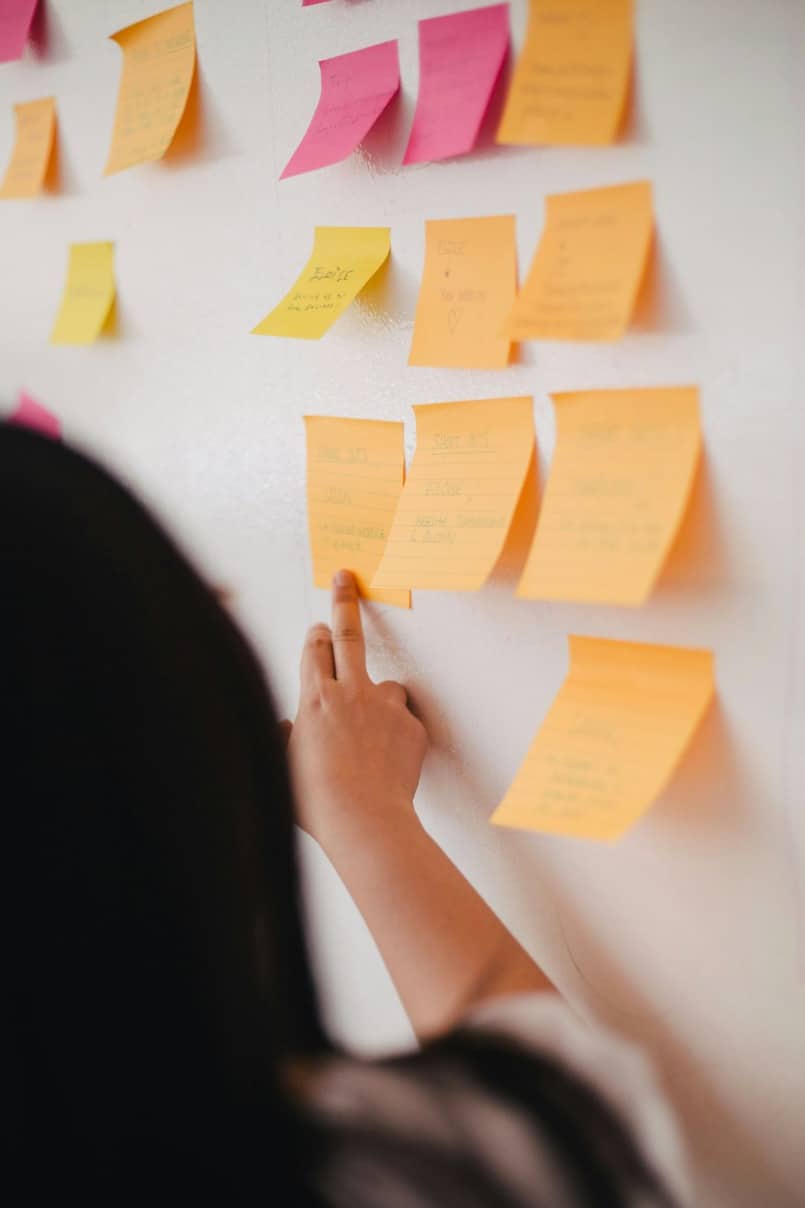
The OktoPus method guides and supports you as a project manager or team member in gradually adapting project management towards greater sustainability. It serves as a structured guide, providing impulses, examples, and support in selecting project-specific measures, inspiring action and offering implementation guidance.
Water Management Analysis & Guidance for Municipalities
Digital Lotse Wasser
The web portal for digital solutions in water management. Funded by Hof University, it serves as a platform for current trends and best practices in the digitalization of water management.
MEA Structural Analysis
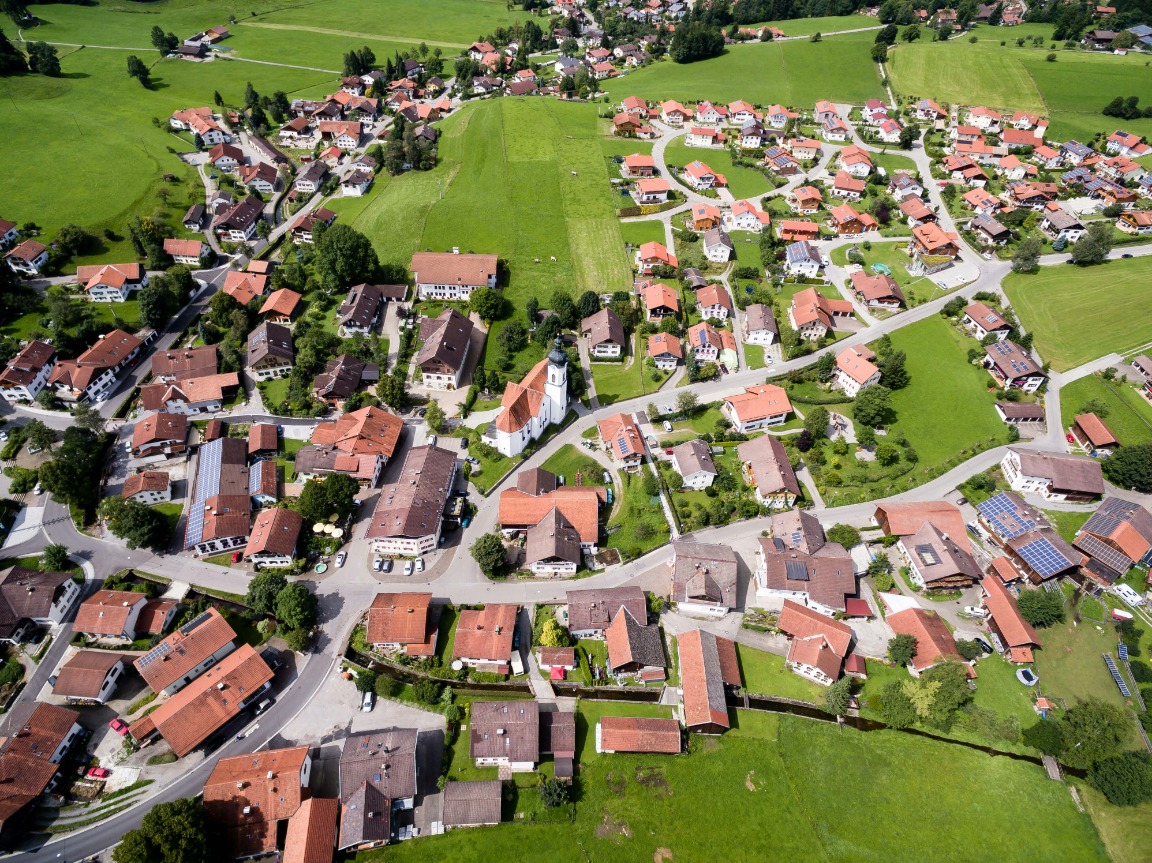
With the multi-level analysis (MEA) method developed at inwa, it is possible to capture, define, and evaluate sponge city measures at various spatial scales including their interactions. This promotes implementation transfer at the beginning of complex infrastructure processes on the path to becoming a sponge city.


A cooperation with inwa?
We look forward to your inquiry.