The Institute

Research and Development

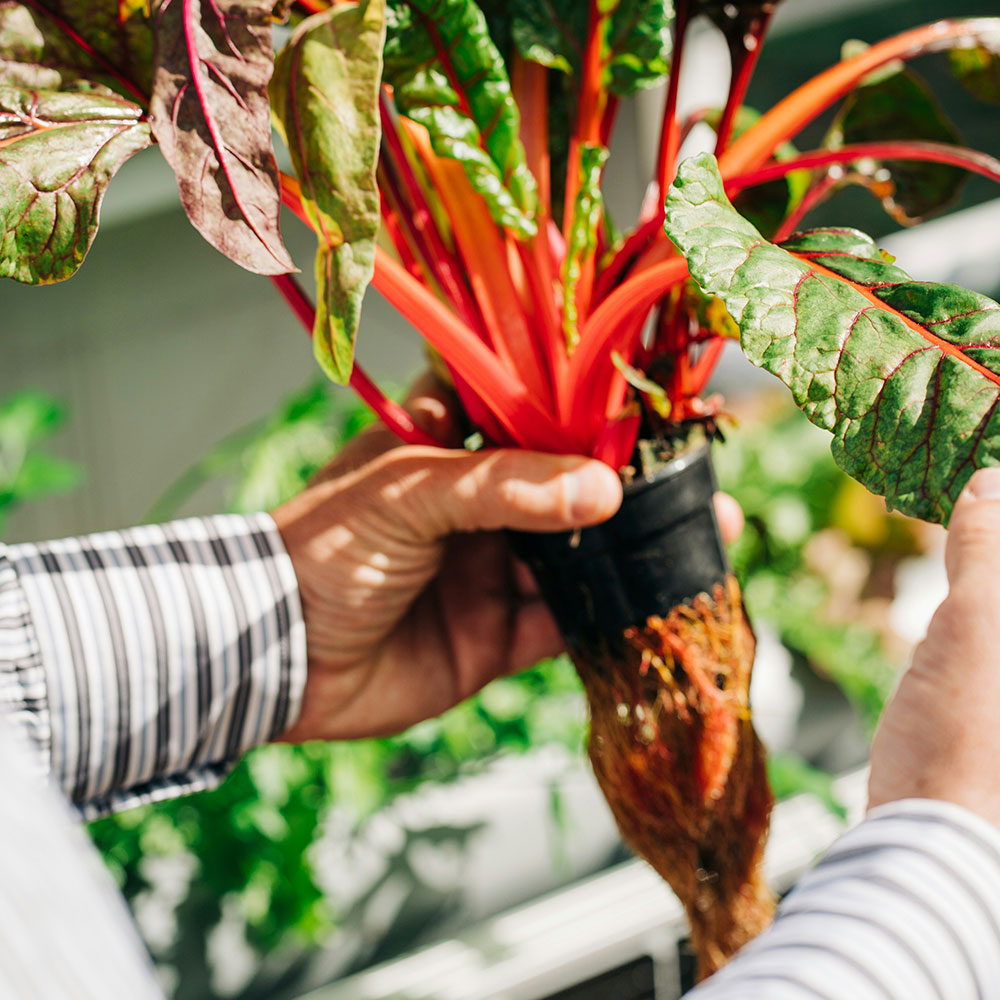
The ReLe research group focuses on resource-efficient food production systems, particularly integrated aquaculture systems such as aquaponics and vermiculture.

Research Focus Areas

The Institute for Sustainable Water Systems at Hof University (inwa) focuses on applied research and development in the key areas of sponge cities, photonics, food production, as well as knowledge transfer, sustainability, and digitalization. The ReLe research group concentrates on aquatic food production and integrated systems.

Thematically and across various projects, all research groups actively unite in the sponge city/region research focus. Resource-efficient systems (including renewable energy) and aquaponics are the focus of application-oriented research.

Forschung und Entwicklung

The expansion of modern laboratories and testing facilities is steadily increasing. With the completion of the new ZWE (Centre for Water and Energy) building in 2025, the research groups 'Photonics and Water' and 'Resource-Efficient Food Production in Integrated Aquaculture' will move into the new laboratories. The research group 'Water Infrastructure and Digitalization', strongly oriented towards real water/wastewater operations, will also expand the existing number of testing facilities at various locations such as the Hof wastewater treatment plant. Working close to customers and subjects, the research group 'Sustainability and Project Management in Water Management' operates on-site, at the university and in social media, offering knowledge-based and methodological solution developments.

Research activities are strongly linked with teaching. This is reflected on one hand in the integration of research content into various lectures held by all research group leaders in both bachelor's and master's programs. On the other hand, numerous engineering students complete project and internship phases in the individual research groups or work there as student assistants. Additional individual topics from research activities are increasingly becoming the content of bachelor's and master's theses. In the area of scientific research work, the professors of the research groups additionally offer the possibility of doctoral studies, either in cooperation with partner companies or in the future within the framework of the doctoral center of Hof University.

Forschung und Entwicklung

In addition to knowledge transfer to future workers through teaching, inwa focuses on transferring research results into practice. Here, municipalities are primarily addressed, which are actively involved in research projects to transfer innovative solutions to practice through 'living examples'. The focus is not only on the implementation of technology, but especially on involving the employees on-site to achieve a high implementation transfer.

For knowledge and implementation transfer specifically in the area of sponge city/region, the new Competence and Transfer Centre for sustainable sponge city/region at inwa was founded in November 2023.

Kompetenz- und Transferzentrum

From left: David Höltgen, District Administrator Dr. Oliver Bär, LfU Vice-President Dr. Richard Fackler, Prof. Dr. Manuela Wimmer, Prof. Günter Müller-Czygan, Thomas Lang, Mayor Eva Döhla, Prof. Dr. Dr. h.c. Jürgen Lehmann

Research Groups

Research Groups and Focus Areas

icon

Resource-Efficient Food Production in Integrated Aquaculture (ReLe)

Aquatic food production, integrated aquaculture and aquaponics, vermiculture, resource-efficient systems (incl. renewable energy).

  • Aquatische Lebensmittelproduktion
  • Integrierte Aquakultur sowie Aquaponik
  • Vermikultur
  • Ressourceneffiziente Systeme (inkl. regenerative Energie)
View Research Projects
Resource-Efficient Food Production in Integrated Aquaculture (ReLe)
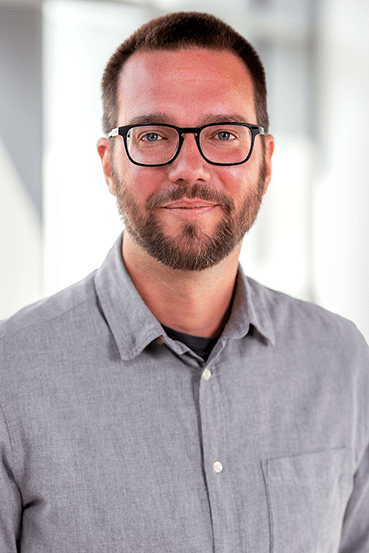
Harvey Harbach

Dr. Harvey Harbach

Forschungsgruppenleiter

emailphone
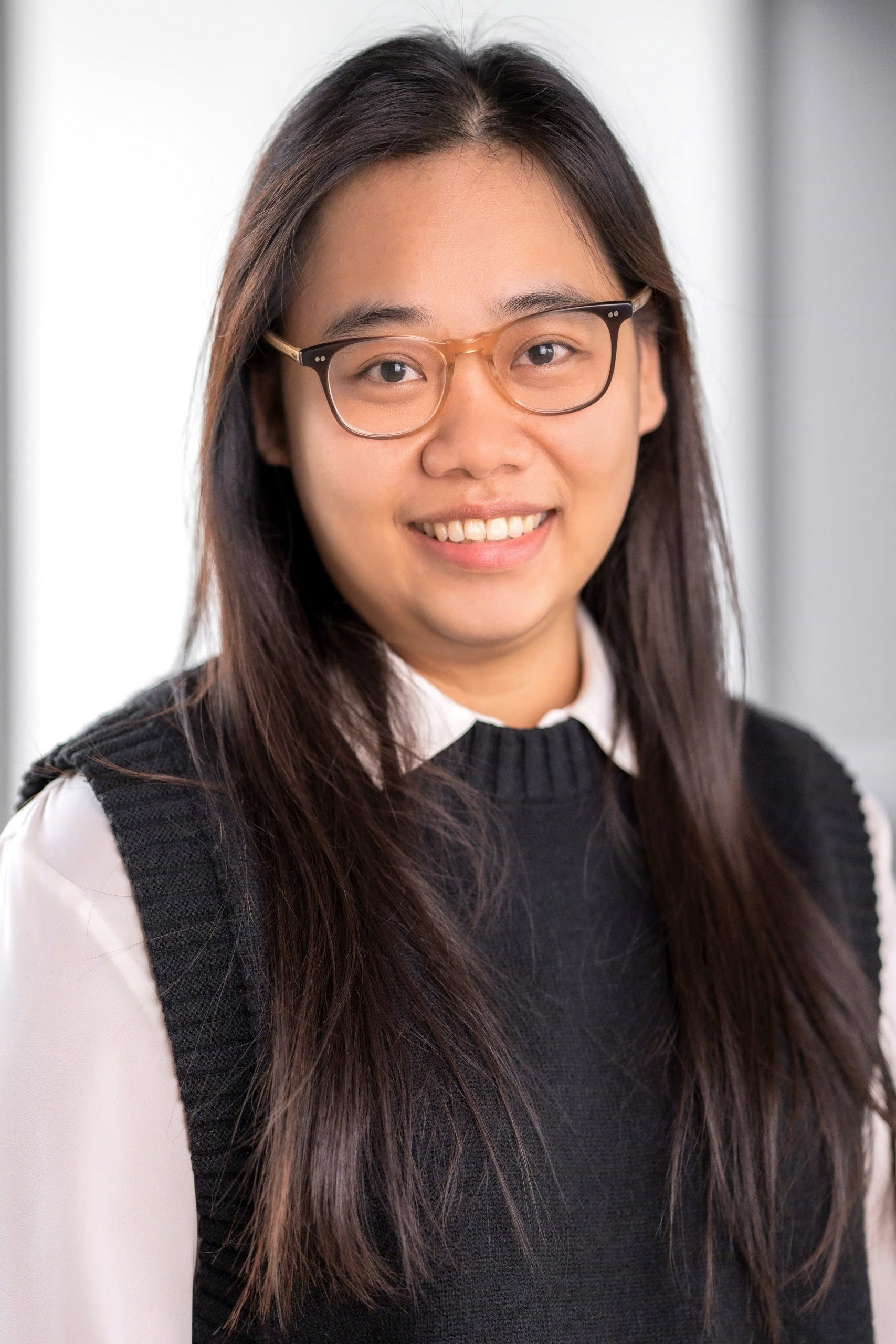
Thi Hanh Vu

Thi Hanh Vu

Wissenschaftliche Mitarbeiterin

emailphone
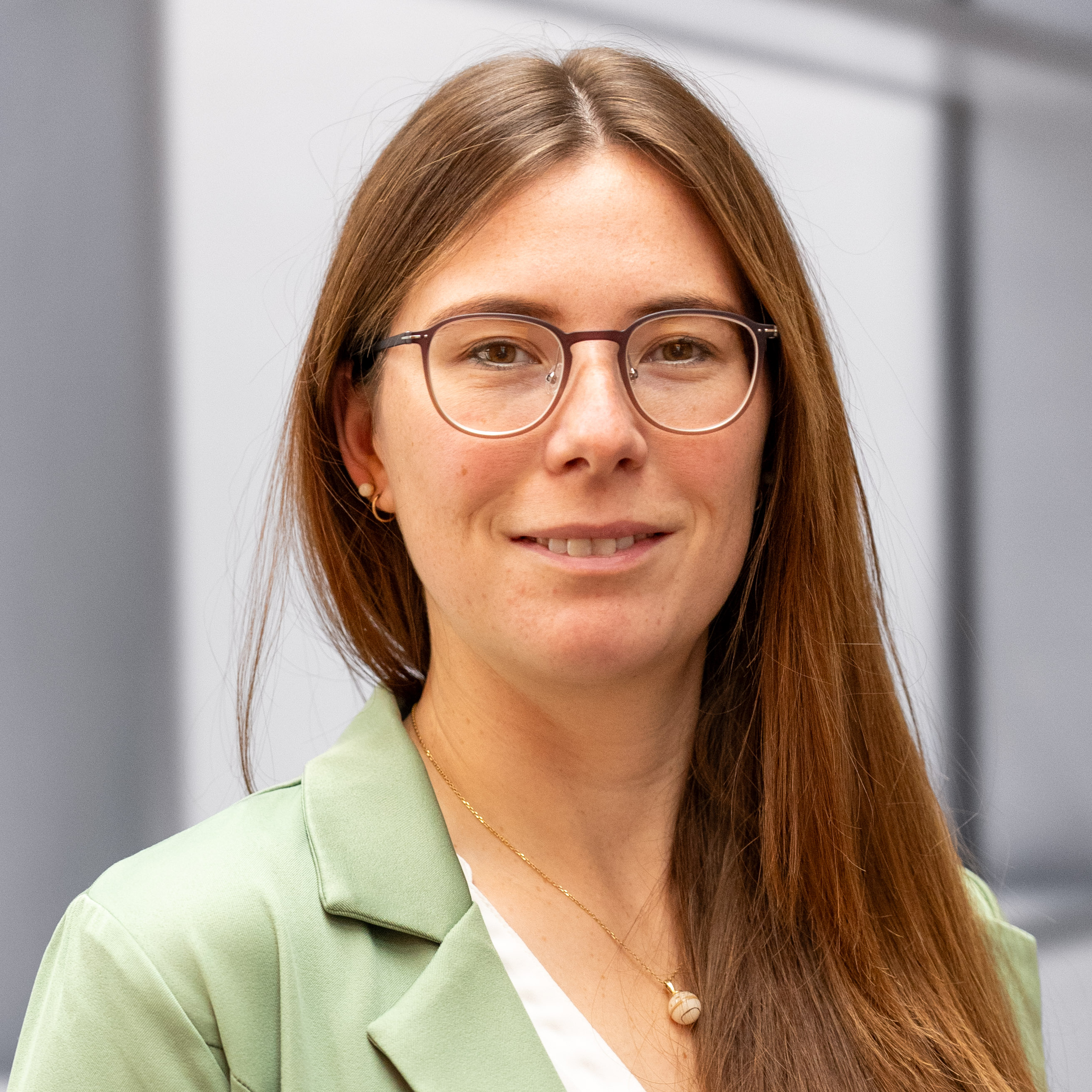
Laura Lang

Laura Lang

Technische Mitarbeiterin

emailphone
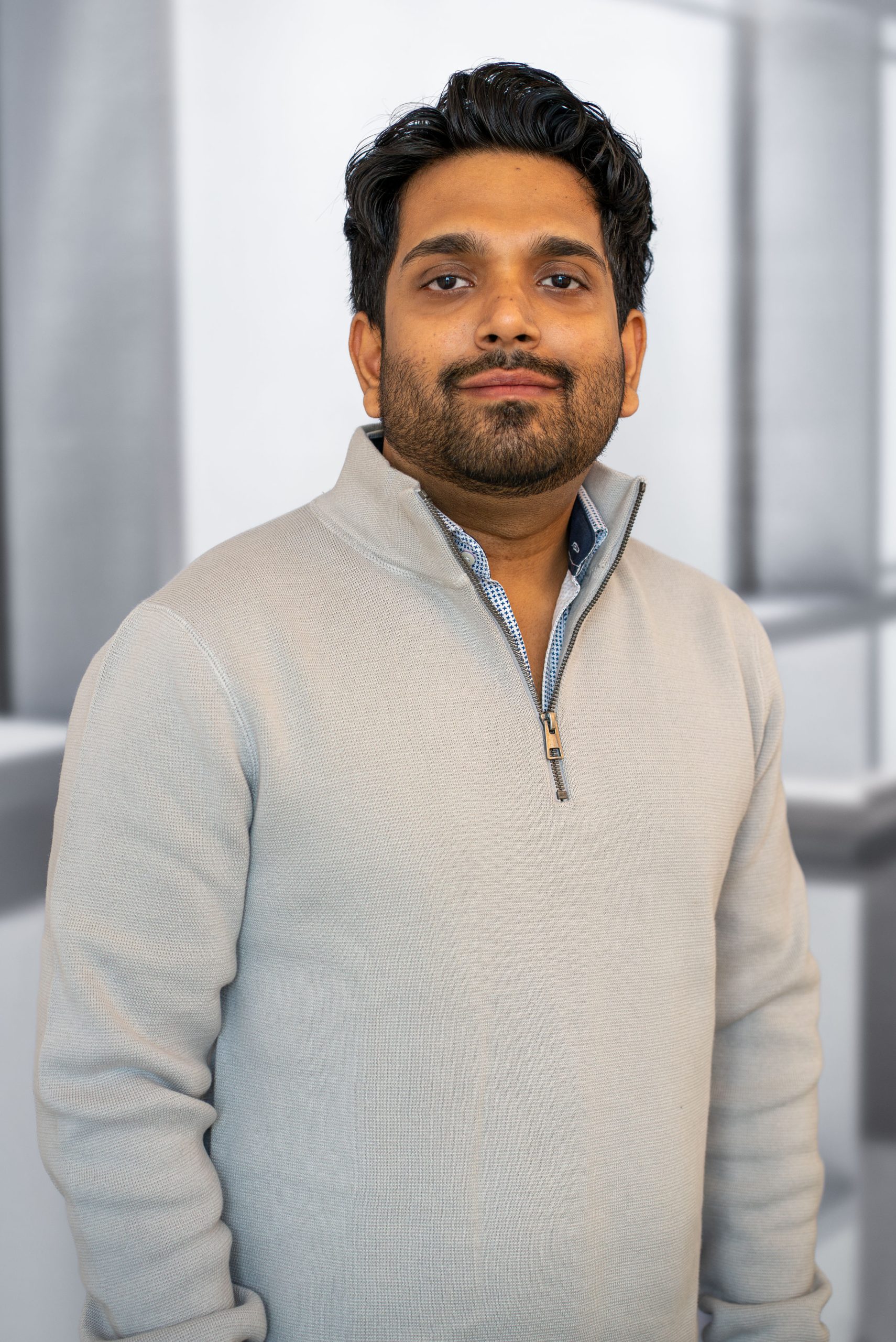
Pranav Keshavan

Pranav Keshavan

Wissenschaftlicher Mitarbeiter

emailphone
Vineeth Kalathiparambil Girish Kumar

Vineeth Kalathiparambil Girish Kumar

Wissenschaftlicher Mitarbeiter

emailphone

Projects

More Research Projects

Serious research happens here.
View All Projects

Contact

Professors / Research Group Leaders

Günter Müller-Czygan

Prof. Günter Müller-Czygan

Forschungsgruppenleiter

emailphone
Harvey Harbach

Dr. Harvey Harbach

Forschungsgruppenleiter

emailphone
Manuela Wimmer

Prof. Dr. Manuela Wimmer

Forschungsgruppenleiterin

emailphone
Tobias Schnabel

Prof. Dr.-Ing. Tobias Schnabel

Forschungsgruppenleiter

emailphone

Research Stations

ResearchLabs

inwa maintains several research stations available for experiments planned in research projects, but also as demonstration objects for municipalities or companies. Furthermore, the ResearchLabs can be used in teaching for laboratory experiments.

KanaBEnt

Wastewater sewer networks are often designed as combined systems that collect wastewater from households, businesses, and industry together with stormwater and direct it to the treatment plant. During heavy rainfall, additional storage basins can become overloaded, leading to discharge of untreated mixed water into surface waters. To minimize pollution, screen systems are installed to retain coarse impurities.

The KanaBEnt container investigates whether intelligent control of the screen system can use the filter cake for better purification of the mixed water, especially for small particle sizes.

A replicated sewer section with a screen system and intelligent control enables testing of water quality and flow. This allows the sewer network volume to be better used for storage and the discharge of mixed water to be reduced.

KanaBEnt
Schwammsta(d)tion

Schwammsta(d)tion

To plan or better understand a sponge city, broad knowledge of the complex relationships of the water cycle is needed. We want to illustrate these relationships in our Schwammsta(d)tion and make them tangible through experiments. The basis is a system representing the complete water cycle, which we will expand with various sponge city elements. Interested parties of all backgrounds can understand the effects by adjusting various parameters and making changes to the cycle. We want to convey the understanding and necessity of sponge city elements to our students, continuing education participants, and other groups in the region.

Currently, the basic system is ready for use, allowing us to map the complete water cycle and simulate changes. The next step will integrate additional elements to align the station with sponge city possibilities. Small scenarios will also be developed for group use. This equipment was selected with the help of ADIRO, which continues to provide technical and methodological support. More information about ADIRO at www.adiro.com.


Become part of the Institute for Sustainable Water Systems

Careers and Academic Theses

Job offers and project, bachelor's, or master's theses – you're in the right place.

inwa Team

A Cooperation with inwa?

We look forward to your inquiry.