
Background
The hoferLand.digital water transfer workshop is a sub-project of the Hof district's Smart City model project, which uses digital technologies specifically as a tool to make water-related climate change challenges manageable at a regional level and to sustainably improve the living conditions of the population. Anchored in topic area C "Digital H2O Management" of hoferLand.digital, the sub-project is aimed at all 27 municipalities in the district and sees itself as a bridge between research, municipal practice and digitally supported climate adaptation.
Aim of the project
The central methodological basis is the multi-level analysis developed by Hof University of Applied Sciences, which is used to identify the current task situation, existing plans and possible sponge measures and "anyway potential" in workshops with the 27 municipalities in the district of Hof. The results are digitised, evaluated and prioritised using a web-based tool. A meta-analysis will develop cross-municipal interfaces, synergies and potential measures for joint projects.
A structured transfer of the results beyond the district is part of the funding mandate: All analyses, tools, data structures and recommendations for action are checked for their transferability, compared with existing guidelines for sponge city planning and training curricula (including "Der Weg zur Schwammstadt"; "Fachingenieur Digitalisierung Wasserwirtschaft") and documented.
The Transferwerkstatt Wasser combines applied research, digital innovation and municipal action to create a laboratory space in which data-based climate adaptation is scientifically evaluated and water-related issues are tested in practice and anchored regionally.
Events, running schedule
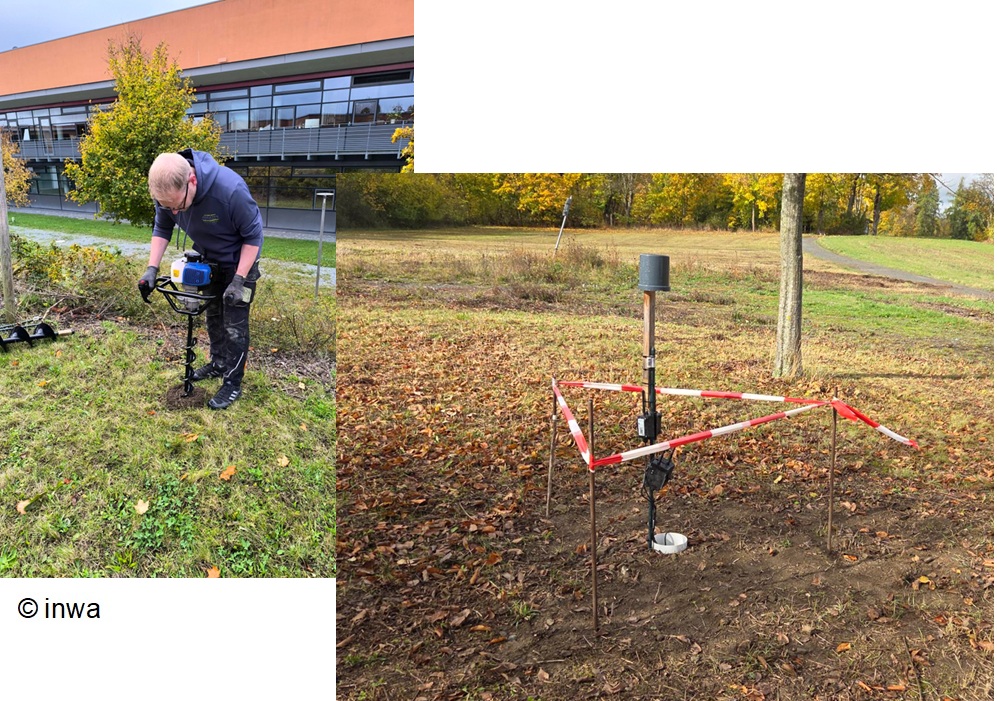
Planned installation of a test sensor system for soil data on the water balance
EventFirst workshop in Geroldsgrün (one of the 5 pilot municipalities)
Event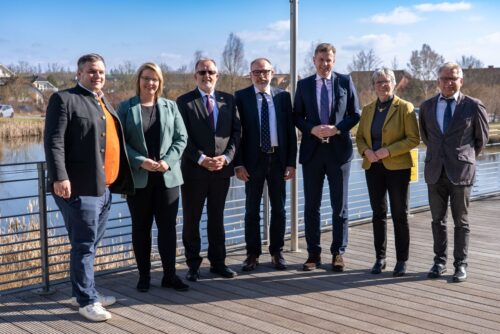
Basic analysis of (water-related) climate resilience measures
How is a climate-resilient municipality created? - The analysis phase explained clearly
Before municipalities can implement effective sponge-making measures, they need to understand where their biggest challenges lie. Many cities and towns report struggling to grasp the increasing complexity of climate change. The analysis begins where laws, extreme weather events, limited human resources, and differing citizen expectations clash.
Hof University of Applied Sciences uses multilevel analysis for this purpose, a modern tool that helps to make the big picture visible. Four levels of analysis are used to examine how planned measures are interconnected and what impact they have on everyday municipal life. This reveals not only obstacles but also synergies that can save time and money.
The process begins with initial pilot municipalities and is closely aligned with ongoing local projects. This leads to a practical, structured, and understandable presentation of the current situation, paving the way for a water-sensitive, climate-resilient community.
Workshop process
A clearly structured path to greater climate resilience is being developed together with the municipalities.
The transfer workshop works with the municipalities in a clearly structured workshop process.
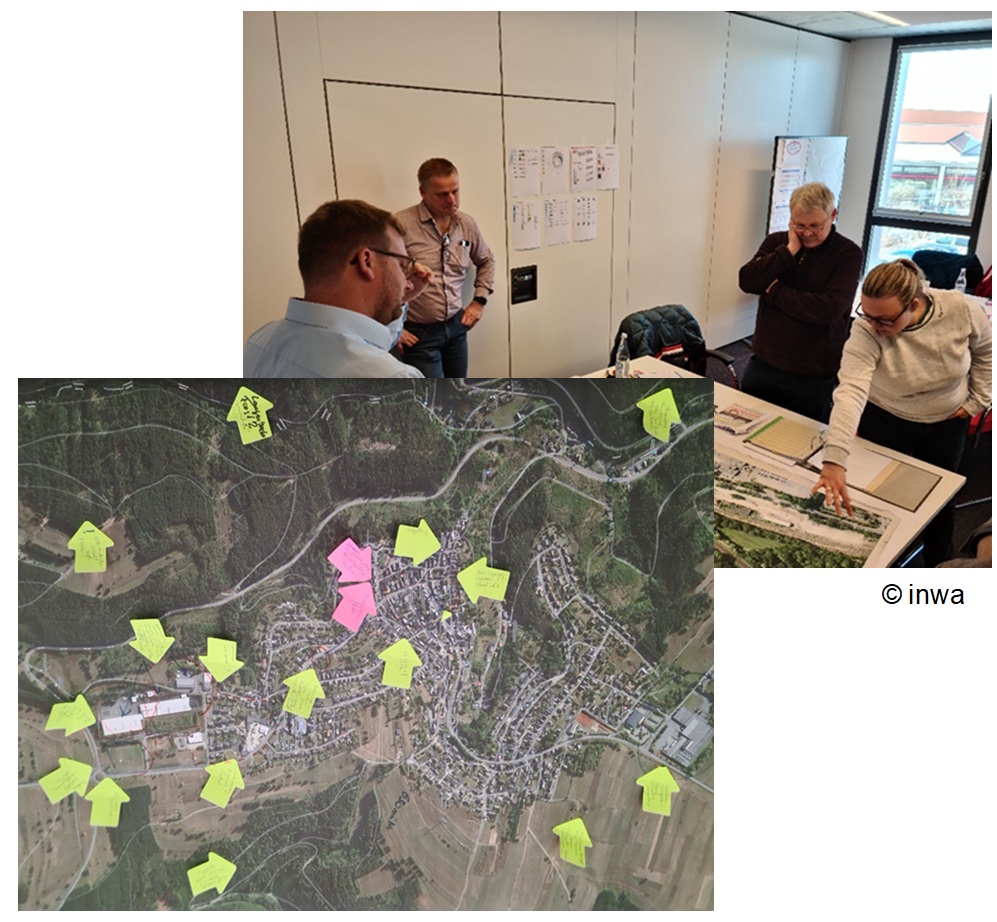
In the first workshop (half day), a joint aerial image-based inventory is carried out. This involves identifying key water issues, possible sponge measures and "sowieso potentials", i.e. measures that are already planned and can be ideally combined with climate-resilient solutions. All results are then digitally recorded.
In the second workshop (2-3 hours), the results of the analysis are discussed with the respective municipality. Based on this, a concrete action plan is drawn up, which is prioritised and supplemented by an examination of potential funding opportunities. In this way, each municipality receives a practical and realisable action plan.
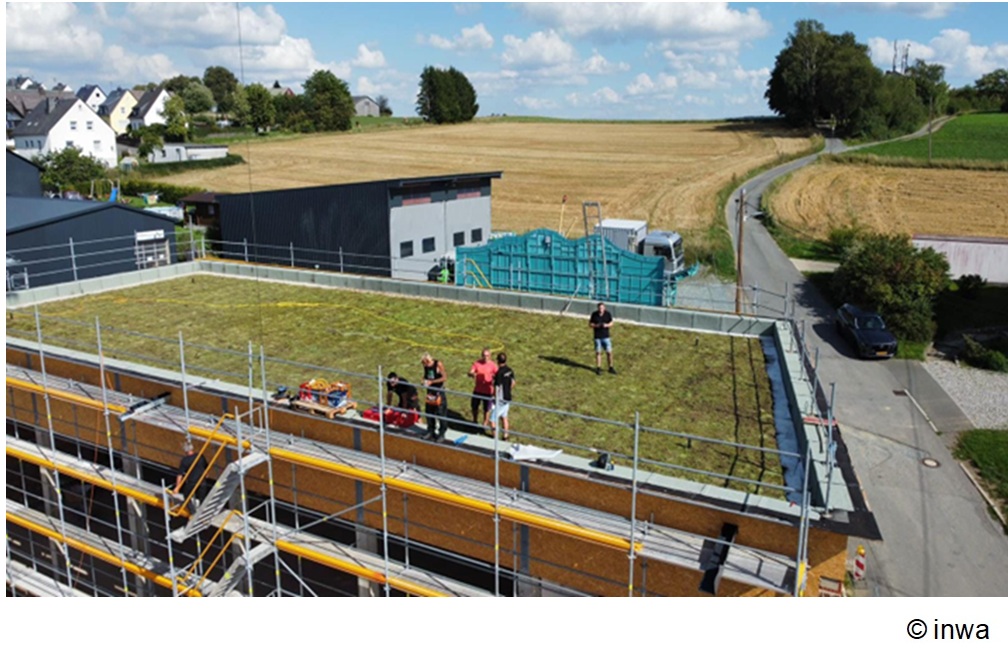
Practical example: "Anyhow potential" using the example of Schauenstein primary school
The project shows how effective it is to combine existing municipal projects with climate-resilient measures. The gymnasium in Schauenstein provides an illustrative example: a modern green roof ("Purple Roof") was integrated as part of an already planned renovation project.
This roof stores rainwater, promotes evaporation and can provide water in a targeted manner during dry spells. At the same time, it relieves the burden on the sewage system and enables digital storage management. The installation also opens up educational opportunities, as pupils can experience the technology directly on site.
The example clearly shows the potential of measures that are implemented anyway: "Making what is already being done fit for the future".
County-wide data platform for water requirements.
A digital water balance for all 27 municipalities in the district of Hof.
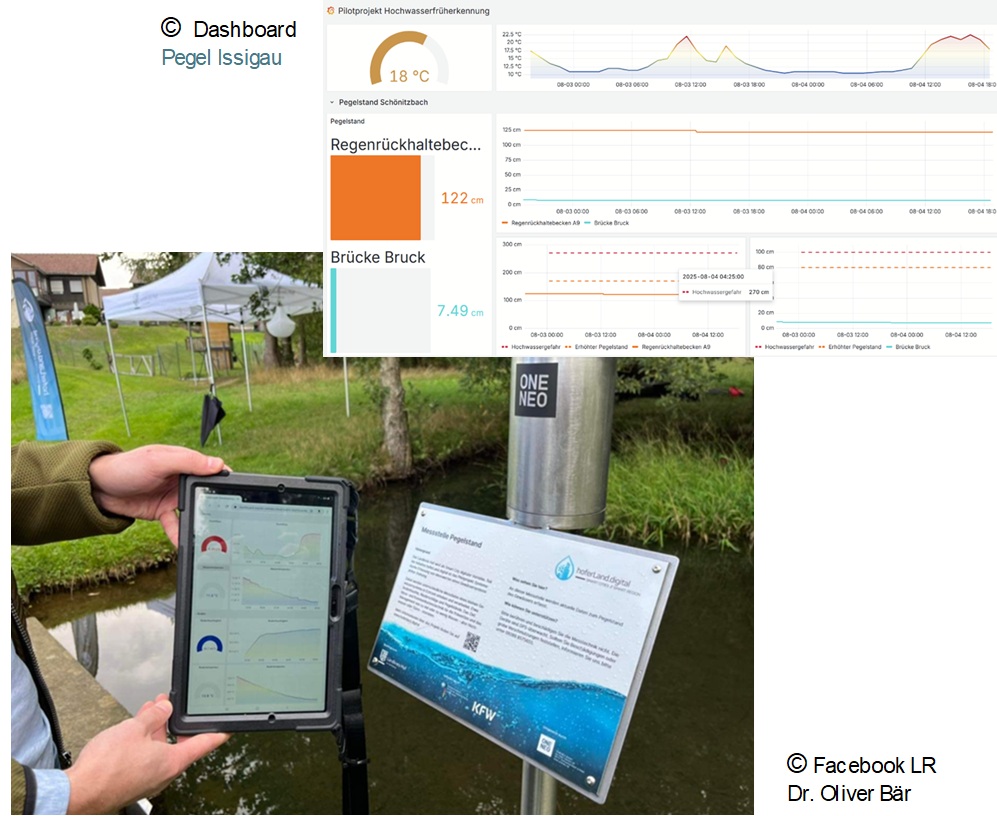
The new data platform makes water requirements and available resources centrally visible for the first time. It links local sensors, groundwater levels, precipitation data, consumption values and forecasts. This integrated view makes water surpluses and shortages transparently recognisable.
The platform is an important building block for the future viability of the region and helps municipalities to develop safe and sustainable water supply strategies, especially during periods of drought.
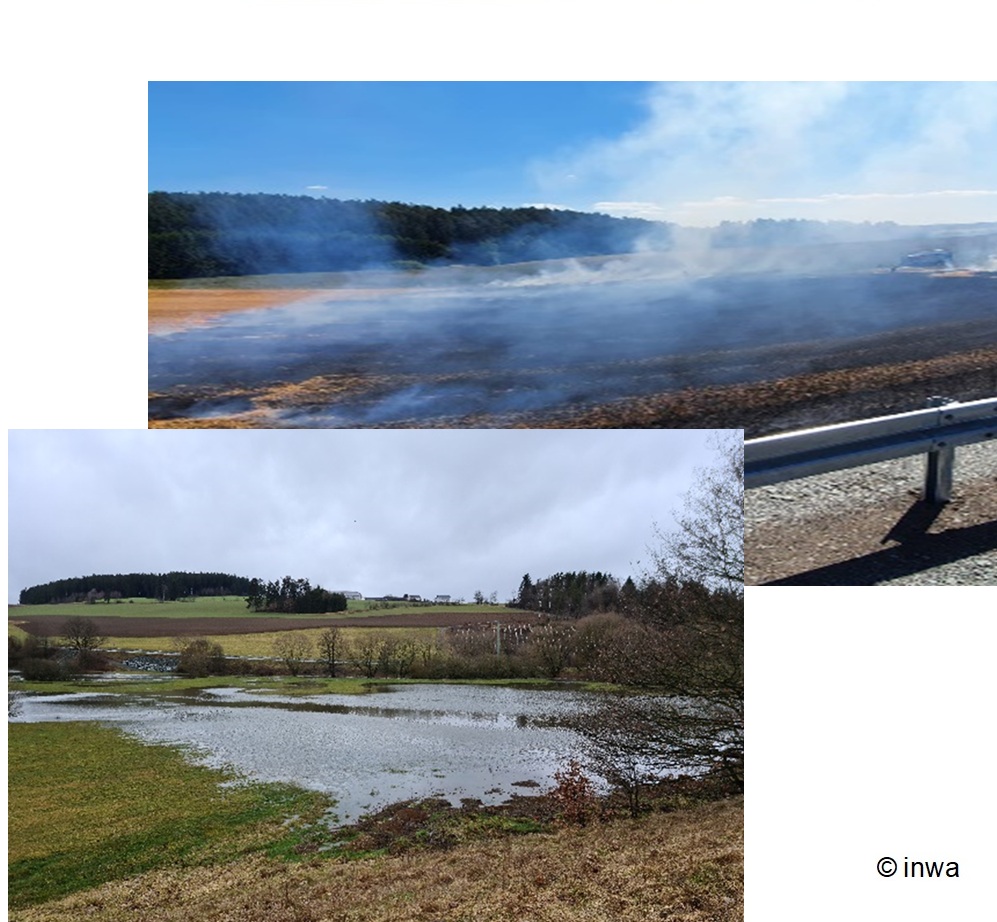
Extraneous water analyses: Making a hidden problem visible
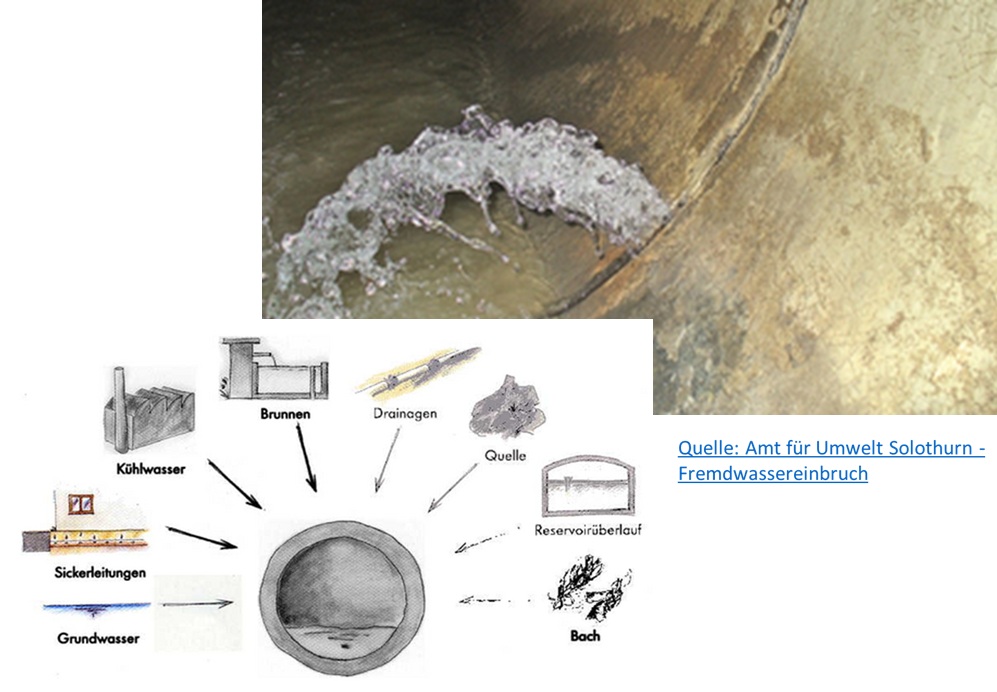
Many local authorities are faced with the challenge of water entering the sewerage system in places where it should not actually be. The extraneous water, such as groundwater, spring water or surface water, enters via leaking pipes and leads to a dilution of the wastewater. The consequences are considerable: wastewater treatment plants work less efficiently, capacities are unnecessarily overloaded, biological purification performance decreases and operating costs increase. In addition, this can lead to groundwater lowering and pollution of bodies of water due to flooding.
In order to tackle this problem, all 27 municipalities in the district of Hof carry out systematic analyses of extraneous water. Both problem areas and entry points are recorded and assessed. All results are fed into a central database in which the municipalities can learn from each other and develop joint solutions.
The structured approach makes it possible to identify cost-saving measures and implement them in a standardised manner. These synergies allow refurbishment processes to be organised more efficiently. At the same time, a standardised template is being developed, which also includes information on funding opportunities. This provides local authorities with a solid basis for stabilising their wastewater systems in the long term and better coping with climatic challenges.
Water-related soil characteristics
A look beneath the surface - with modern IoT sensor networks.
In order to better understand the water balance in forest and agricultural areas, the installation of a digital sensor network is being prepared to continuously record soil moisture, temperature, conductivity and pH values. This data will be supplemented by drone and satellite images.
Integration into the district's LoRaWAN network provides a precise picture of soil behaviour. This knowledge is crucial for sustainable water supply, plant development and climate adaptation.
Sponge region data platform
Digital data platform for the sponge region - making knowledge visible and usable
The digital platform pools knowledge on sponge measures in one central location. It provides best-practice examples, solution approaches and data from municipal analyses in a clearly structured manner. It is based on the "Digital Lotse Wasser" platform, which is being further developed for the district of Hof.
Following tests in pilot municipalities, it will be integrated into the district's urban data platform. All content is available as open source so that local authorities can work transparently, collaboratively and with an eye to the future.
 EN
EN  DE
DE